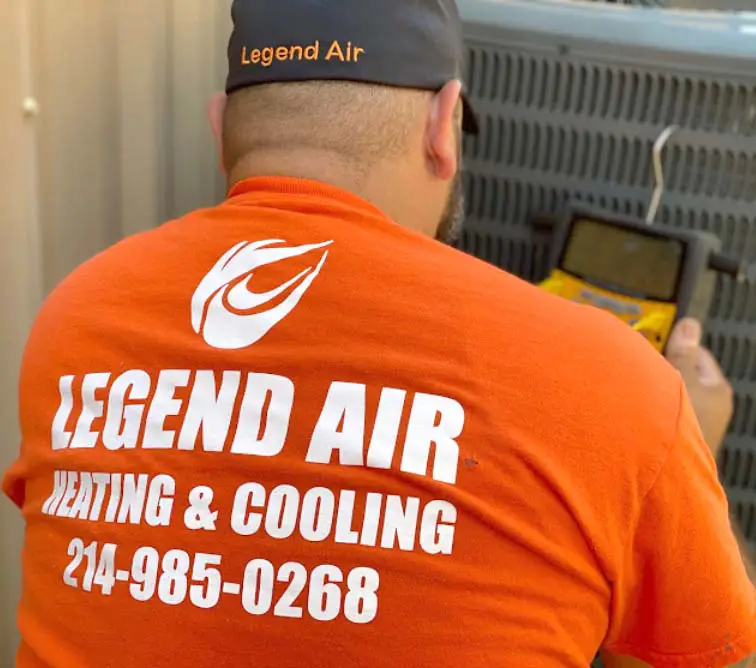
When your heat pump isn’t blowing hot air, it can be frustrating. A few things might be causing the issue. Sometimes, the fix is simple. Other times, it might require professional help. If you’re facing problems with your heat pump, it’s always good to have a reliable expert on hand. For quality service, reach out for air conditioning repair in Frisco, TX. Understanding the causes can help you pinpoint the problem and act fast. Read on to learn more about why your heat pump might not be working properly.
Dirty Air Filter Can Block Hot Air Flow
Check the Air Filter Regularly
A dirty air filter blocks airflow and reduces the efficiency of your heat pump. Checking the filter every month is important, especially during colder months when the heat pump runs more often. If the filter is dirty, replace it with a new one. It’s an easy fix that can prevent bigger problems. A clean filter allows proper airflow, which helps your heat pump heat your home more effectively. The filter is usually located near the return air duct behind a panel. Replacing the filter is quick and can save you from costly repairs.
How a Clogged Filter Affects Airflow
A clogged filter limits airflow, which is needed for the heat pump to work properly. When airflow is restricted, the system cannot circulate hot air throughout your home efficiently. This forces the heat pump to work harder to heat the air, causing strain on the components. Over time, this leads to wear and can cause the system to fail. A clogged filter also makes the pump less effective, leading to cold spots in your home. Changing the filter on time helps avoid these issues and keeps the heat pump working efficiently.
Low Refrigerant Levels
Signs of Refrigerant Leaks
Low refrigerant levels are a common cause of a heat pump not blowing hot air. If you notice that the air coming from your heat pump is cool or lukewarm instead of warm, it might be due to low refrigerant. Another sign of a refrigerant leak is ice buildup on the coils or refrigerant lines. If the refrigerant is leaking, it can cause the system to freeze. Strange hissing or bubbling noises can also indicate a refrigerant leak. If you notice these signs, it’s important to call a professional to handle the repair and refill the refrigerant.
Why Low Refrigerant Stops Hot Air
Refrigerant is necessary for the heat pump to absorb heat from the outside air and move it into your home. When refrigerant levels are low, the system can’t absorb enough heat. This results in the heat pump blowing cool air instead of warm air. Low refrigerant also makes the system work harder, which can lead to overheating and damage over time. If the refrigerant isn’t replaced or refilled, the system will struggle to function properly. It’s important to address low refrigerant levels as soon as possible to keep your heat pump running efficiently.
Faulty Thermostat Settings
How Incorrect Settings Lead to Cool Air
Incorrect thermostat settings can easily cause your heat pump to blow cool air instead of warm. If the thermostat is set too low, the heat pump may only circulate cool air, even though it is running. This can happen if the heat setting is mistakenly set to cool, or if the temperature is set too far from the current room temperature. Another issue is if the thermostat is located in a drafty area or near a heat source, which can make it read temperatures incorrectly. A simple adjustment can resolve the problem and get the heat pump working properly.
Resetting Your Thermostat for Proper Function
If your thermostat is not working right, resetting it might fix the issue. First, turn off the heat pump. Then, remove the thermostat’s cover and check for any settings that seem out of place. If needed, reset the thermostat by turning it off and on again or by following the manufacturer’s reset instructions. After resetting, set the temperature to a higher level, making sure it’s in heat mode. Wait a few minutes to see if the heat pump starts blowing warm air. If the issue persists, it may be time to replace the thermostat.
Malfunctioning Blower Motor
How to Identify a Failing Blower Motor
A malfunctioning blower motor can stop your heat pump from blowing hot air. If you notice a decrease in airflow or if the heat pump is making strange noises, the blower motor may be the issue. You might hear a loud humming, grinding, or squealing noise, which indicates that the motor is struggling. Another sign is weak or uneven airflow coming from the vents. If the motor is not working at all, the heat pump may be running without producing any air. Identifying these signs early can prevent further damage and help avoid costly repairs.
hen to Call for Repairs
If you suspect that the blower motor is malfunctioning, it’s important to call for repairs right away. Continuing to run the heat pump with a failing motor can cause additional damage, leading to more expensive repairs. If the motor is making strange noises or if there is no airflow, don’t wait to call a professional. A technician can assess the issue, repair or replace the motor, and restore your heat pump’s function. It’s best not to delay, as a malfunctioning blower motor can affect the overall performance of your heating system.
Defrost Cycle Problems
Why the Defrost Cycle Matters
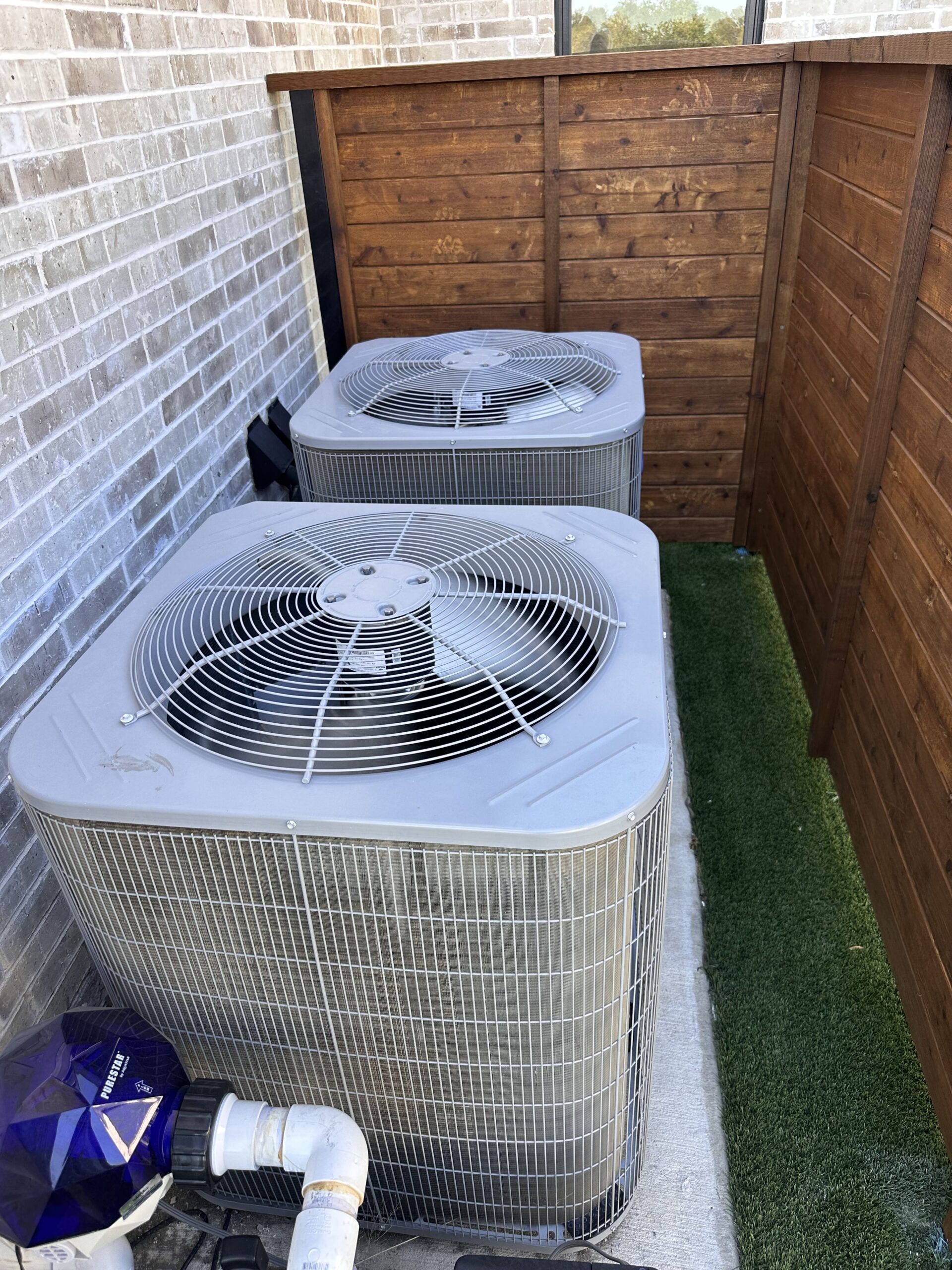
The defrost cycle helps keep your heat pump working properly in cold weather. When the temperature drops, frost can build up on the coils. This frost blocks the heat pump from absorbing heat from the outside air. The defrost cycle melts this frost, allowing the system to keep heating your home. Without a working defrost cycle, the heat pump will lose its ability to produce heat. It’s important for the system to go into defrost mode to maintain performance, especially in freezing conditions.
Troubleshooting Defrosting Issues
If your heat pump isn’t defrosting, you may notice ice or frost building up on the outdoor unit. This can prevent your heat pump from working effectively. First, check if the defrost cycle is turning on. If it’s not, the issue could be a faulty sensor or control board. You can also check for blocked vents or dirty coils, which can restrict airflow and cause the system to freeze. If troubleshooting doesn’t fix the problem, it’s best to call a technician. A professional can repair or replace faulty parts and get the defrost cycle working again.
Dirty Coils and Condenser Problems
Cleaning Coils to Improve Heat Transfer
Dirty coils can prevent your heat pump from transferring heat properly, making the system less efficient. Dust, dirt, and debris can build up on the coils, especially on the outdoor unit. When the coils are dirty, they can’t absorb or release heat as effectively, which means your heat pump will struggle to keep your home warm. To clean the coils, first, turn off the power to the unit. Use a soft brush or coil cleaner to remove dirt. If the coils are heavily soiled, call a professional to clean them without causing damage.
How to Avoid Coil Damage
Coil damage happens when debris or dirt builds up over time, reducing heat transfer. To prevent damage, keep the area around your heat pump clear of leaves, dirt, and grass. It’s also a good idea to trim any bushes or plants near the unit to improve airflow. Avoid using harsh chemicals or equipment that could bend or damage the coils during cleaning. Ongoing maintenance, including checking and cleaning the coils, helps keep your heat pump running efficiently and extends the life of the system.
Issues with Ductwork and Vents
Blockages That Affect Heat Distribution
Blockages in your ductwork or vents can stop the flow of heated air. When air can’t travel freely through the ducts, it leads to uneven heating in your home. You may notice that some rooms are much colder than others. Common blockages include dust, debris, or even items that get lodged in the ducts. Blocked vents can also make the system work harder to push air through, which can cause unnecessary wear. It’s important to check for blockages in vents and ducts to keep the system working efficiently and provide even heat distribution throughout the home.
Inspecting and Fixing Ductwork
Inspecting ductwork for damage or blockages is a key part of maintaining your heat pump. First, look for visible gaps or holes in the ducts, as these can cause air leaks. Next, check if any vents are closed or obstructed. If the ducts are hard to access, a professional can inspect them with specialized tools. If you find damage or leaks, sealing them will improve airflow. Cleaning the ducts can also prevent debris from building up, which can cause blockages and affect airflow. Fixing duct issues can restore the efficiency of your heating system.
Get Fast Heat Pump Repair with Legend Air Conditioning & Heating
A heat pump that’s not blowing hot air can be frustrating. Several common issues might be the cause, such as a clogged air filter, low refrigerant, or a malfunctioning thermostat. Timely repairs and proper maintenance can help prevent these problems and restore comfort to your home. If your heat pump isn’t working properly, don’t wait for it to get worse. Legend Air Conditioning & Heating is ready to assist with fast, reliable AC repair service in Carrollton, TX, and nearby cities. Visit us at 124 Rose Ln #504, Frisco, TX 75034, or call (214) 636-6163. Let us get your heat pump working again and keep your home comfortable. You would be pleased to know that our services are not limited to heat pumps but we also offer professional services for cooling systems as well such as our leading AC installation, maintenance and repair in Lewisville, TX.